Winter Sports Olympics: Exploring Cold-Water and Alpine Adventure Beyond the Games

Where Winter Olympic Sports Come to Life

With the Winter Olympics 2026 taking place in Milan, winter sport is once again under the global spotlight. The Games bring focus to disciplines shaped by cold environments and the demands they place on those taking part.

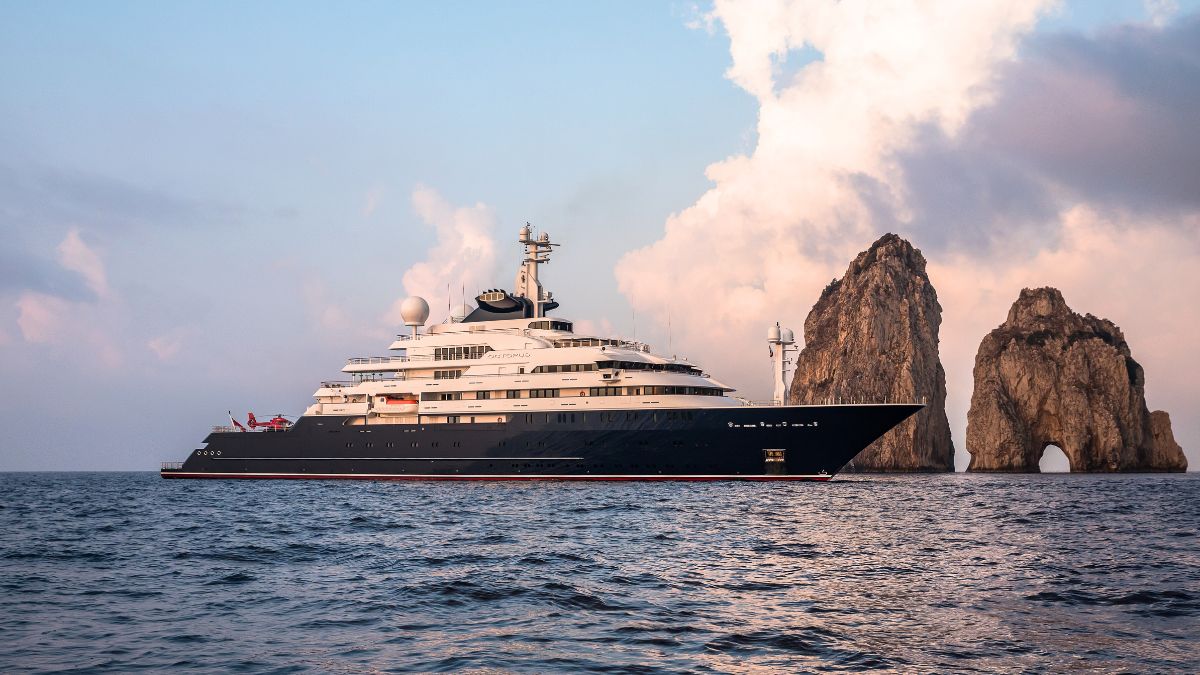
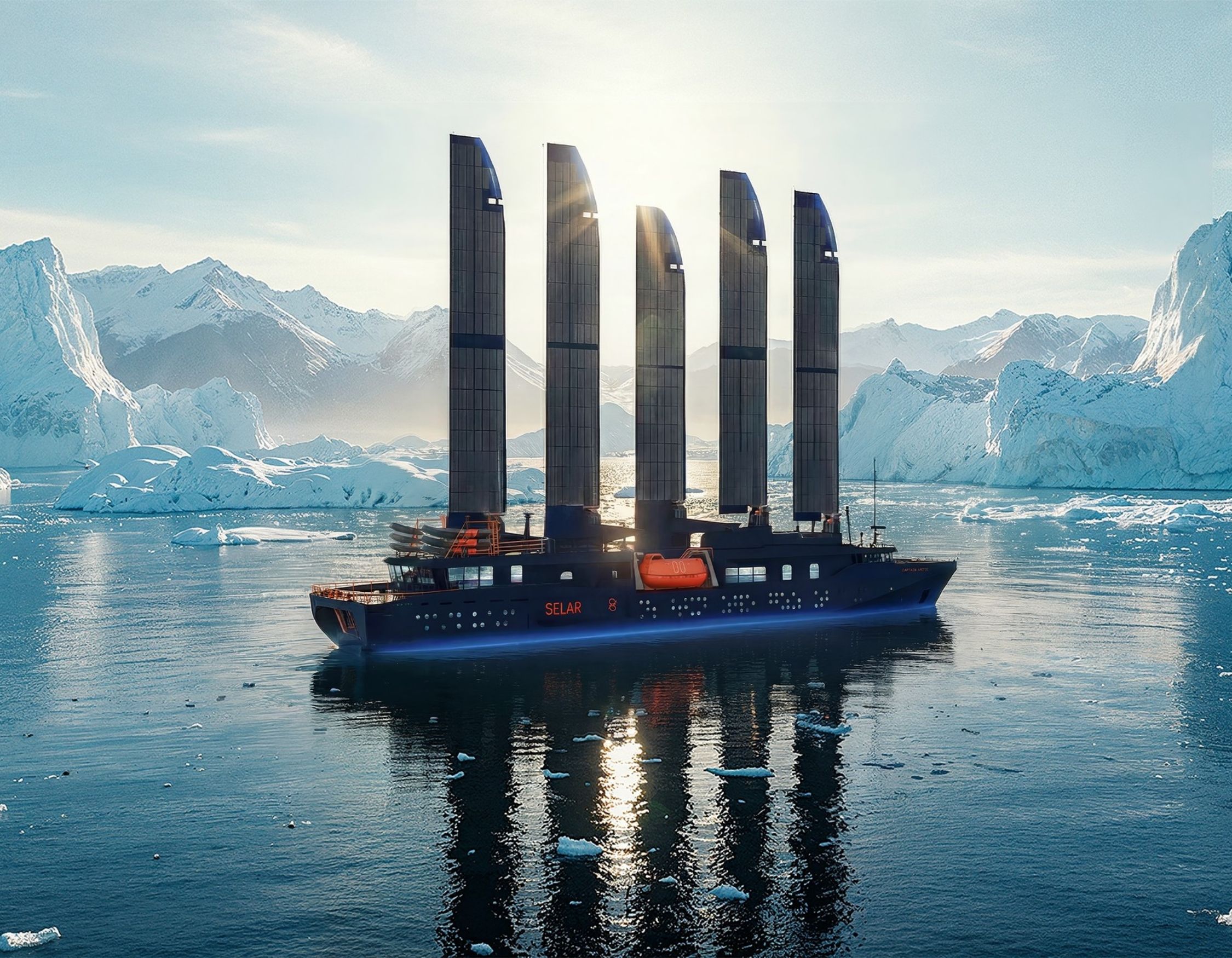
Pelorus’ winter expeditions take winter sport into remote environments that can only be reached by sea. Travelling by winter yacht charter, often aboard an expedition yacht, opens access to coastlines, fjords and polar regions for activities including cold water surfing, heli-skiing, ice climbing and swimming with orcas. If the Winter Games have sparked a drive to explore further and take on your own challenge, the experiences below offer inspiration on where to begin
Winter Sports Olympics

Winter Sports Olympics

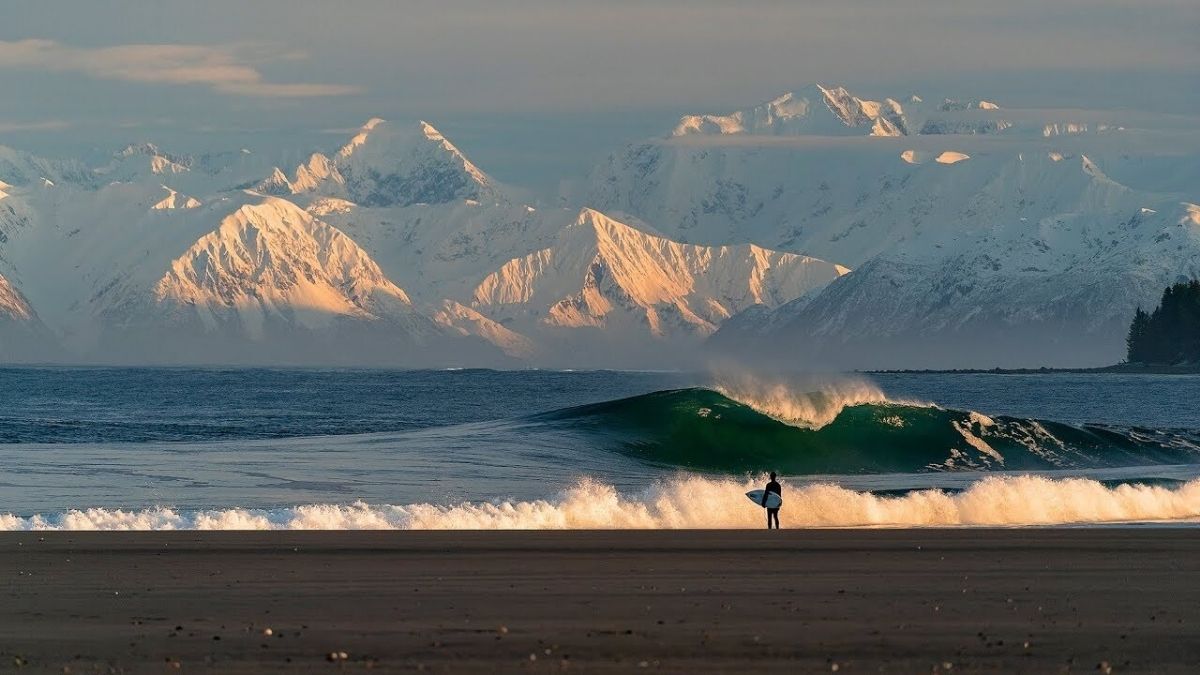
1 | Cold water Surfing

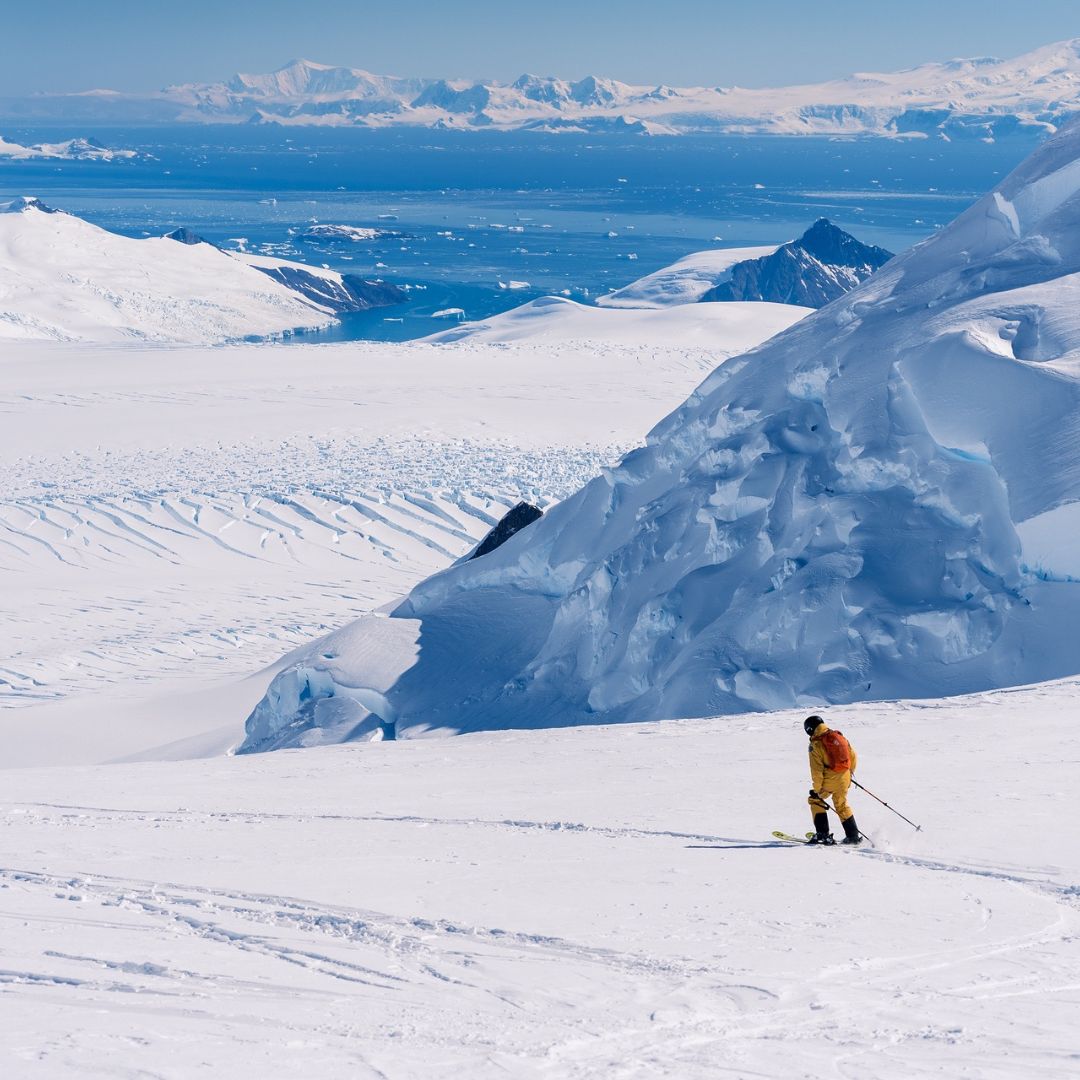
2 | Heli-skiing from Fjord to Summit

kayaking in antarctica

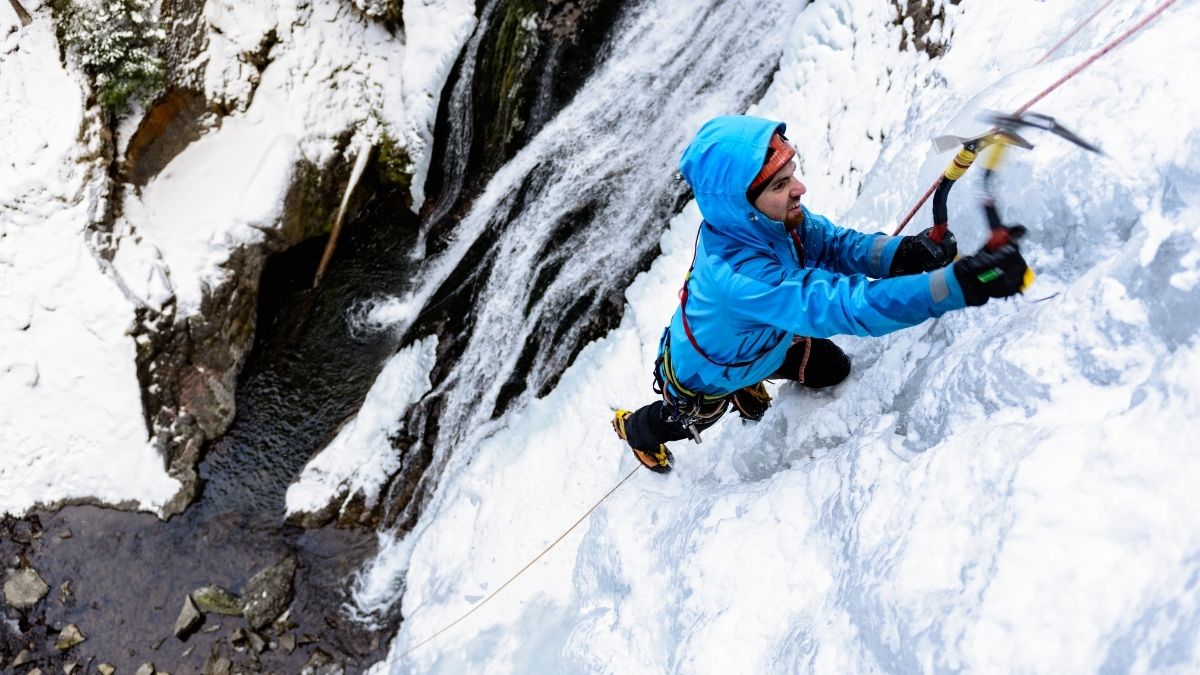
3 | Ice Climbing

Cold water surfing

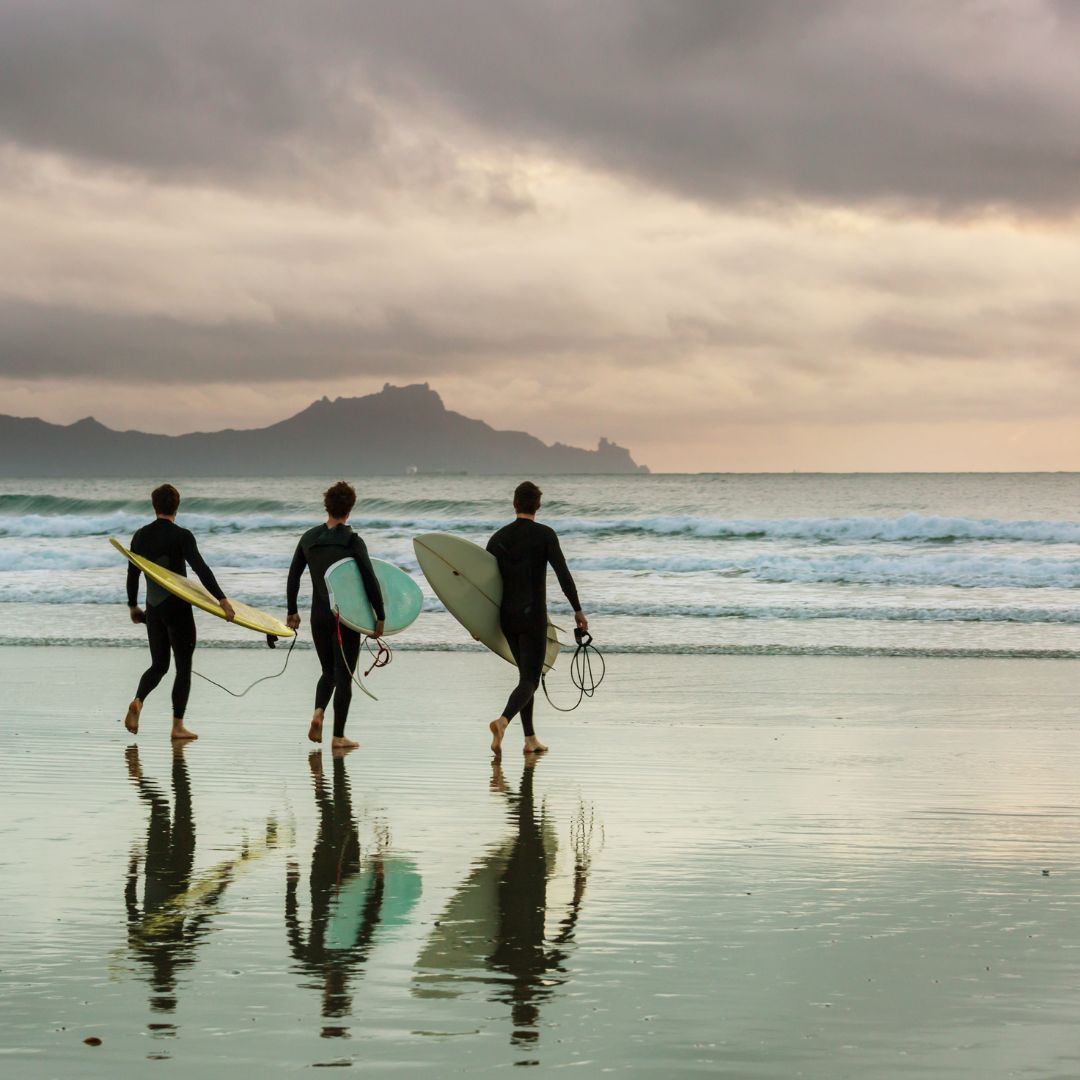
Cold water surfing takes the sport into colder, more exposed environments. Along northern coastlines with limited access by land, an expedition yacht provides a practical base for exploration, allowing surfers to work with weather windows, tides and local knowledge.

Remote cold-water surf breaks

Cold water surfing takes on a distinct character across the Arctic. On a Norway yacht charter, surf breaks sit beneath snow-covered fjords, with calm anchorages and clear winter nights that often bring sightings of the Northern Lights after sessions. On a Svalbard yacht charter, surfing takes place along exposed shorelines where entire sections of coast can be experienced without other surfers present, approached directly from the yacht and with giant icebergs viewable from the lineup.


Heli-skiing from Fjord to Summit

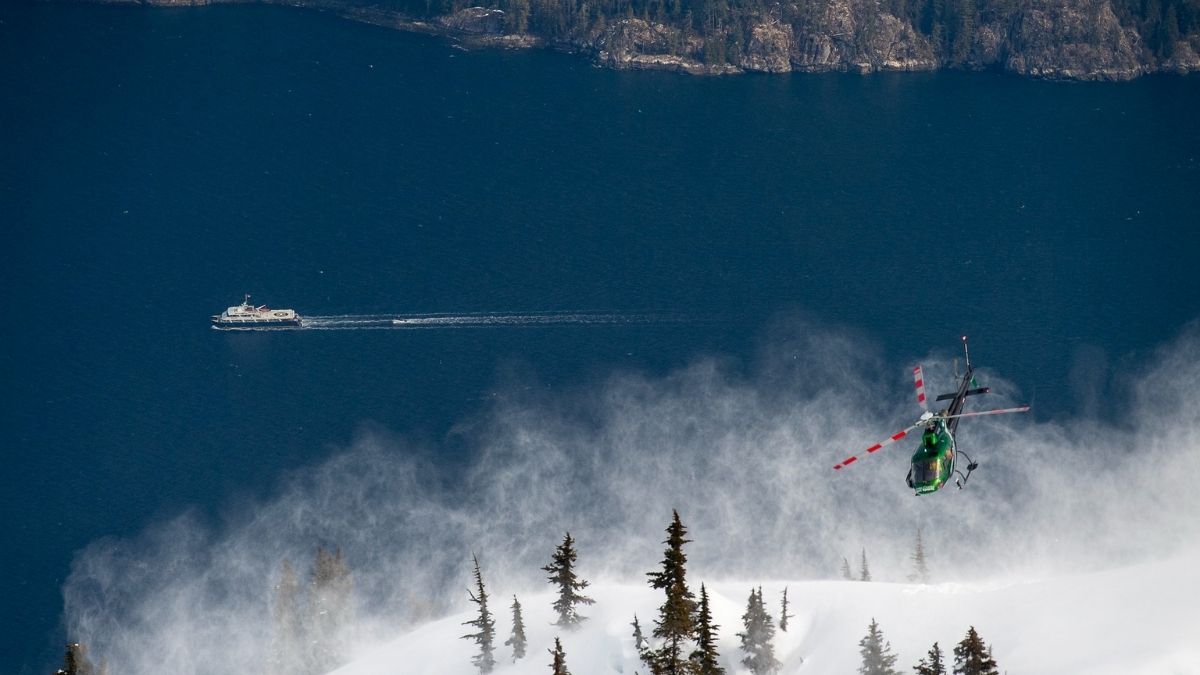
Heli-skiing brings untouched snow and long descents into focus in a way few other winter sports can. From a yacht, helicopters place you onto alpine ridgelines that would otherwise require long approaches or resort access, allowing you to ski from high summits deep into valleys and, in some cases, toward the sea itself. The emphasis on terrain choice and control mirrors the decision-making seen across Olympic alpine events, played out on a far larger and more remote scale.

Iceland, Alaska and Antarctica Heli-skiing

Pelorus’ heli-skiing experiences span some of the most remote terrain on the planet. In Iceland, runs drop from sharp ridgelines toward the sea, where descents often finish within sight of the coastline. Alaska offers scale and consistency, with long, sustained lines across coastal mountain ranges built on deep winter snow. In Antarctica, skiing takes place on vast ice fields and glaciers, where extended daylight opens access to untouched slopes far from any infrastructure. Operating from a yacht allows helicopters to deploy and recover close to base, keeping each day focused on conditions rather than logistics.


Ice Climbing

Ice climbing sits alongside the Winter Sports Olympics because it shares the same foundation as many Olympic disciplines, technique and the ability to perform in cold, unforgiving environments. In the Arctic, frozen waterfalls become temporary routes, climbed while conditions allow, then left behind as the season moves on. It is a discipline that offers a quieter but no less demanding skill to the sports played out at the Olympics.

As the Winter Olympics unfold, winter sport takes centre stage. From cold water surfing and heli-skiing to ice climbing in the Arctic, these disciplines can also be experienced firsthand in remote environments. A winter yacht charter offers the access and flexibility to plan a journey around the sports and conditions that inspire you most.

Which winter sports will you discover?

Speak to our Expedition Designers to begin your Winter Sports Yacht Charter.


related stories