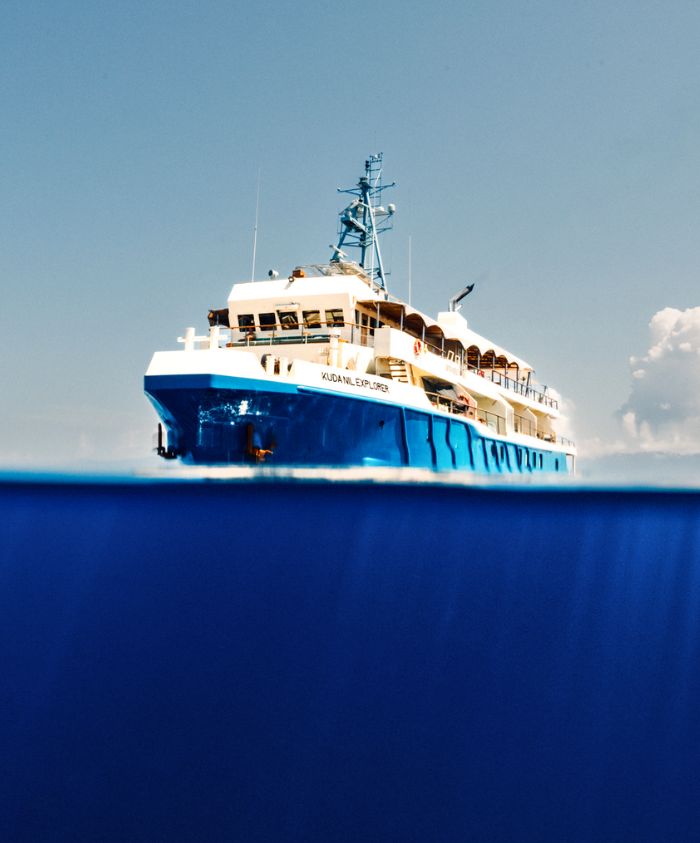
From superyacht to expedition platform
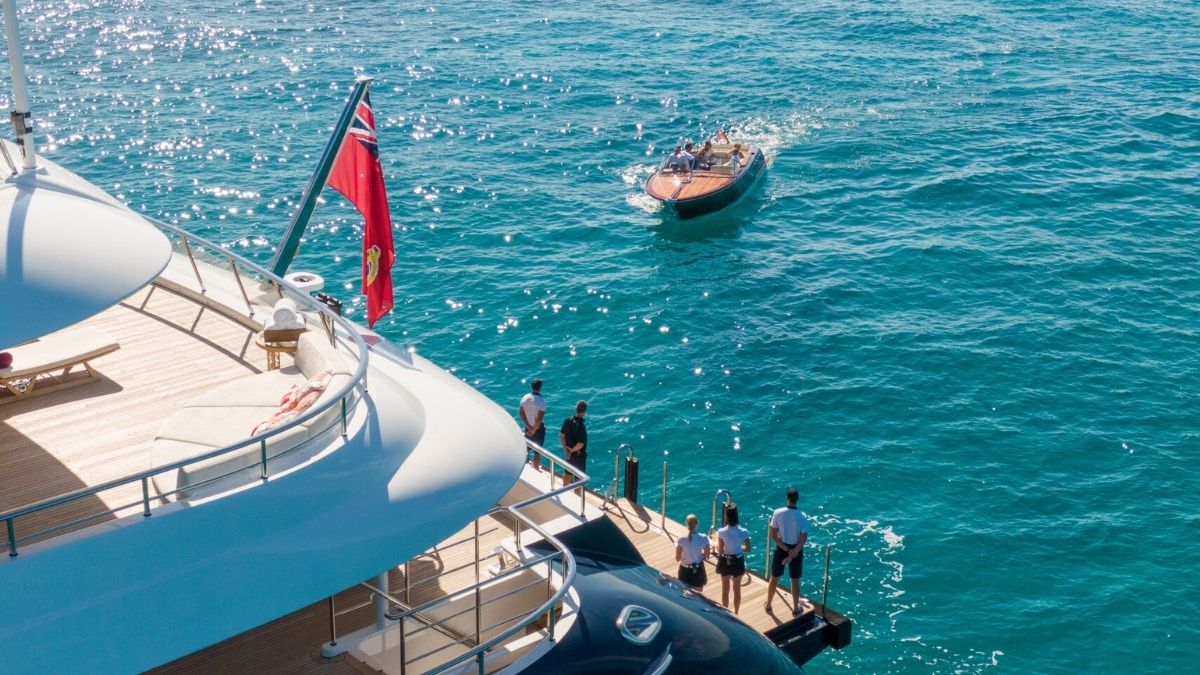
PROJECT THUNDERBALL and DRAAK point to a broader shift towards yachts being designed for purpose rather than simply scale. PROJECT THUNDERBALL has an unusually efficient hull, alongside battery technology that manages spikes in onboard power demand to reduce reliance on generators and lower fuel consumption. She has been designed as a base for diving, fishing and sailing, with large tenders and extensive equipment capacity giving the owner greater freedom to explore away from the yacht.
DRAAK shows what can be done with an existing yacht. Originally delivered as TRANQUILITY, the 92.8-metre Oceanco has been rebuilt as a companion yacht for the 111-metre LEVIATHAN. Her former beach club and spa are now a dive centre with a decompression chamber, while the main saloon has been converted into a large crew mess and chef’s lab.
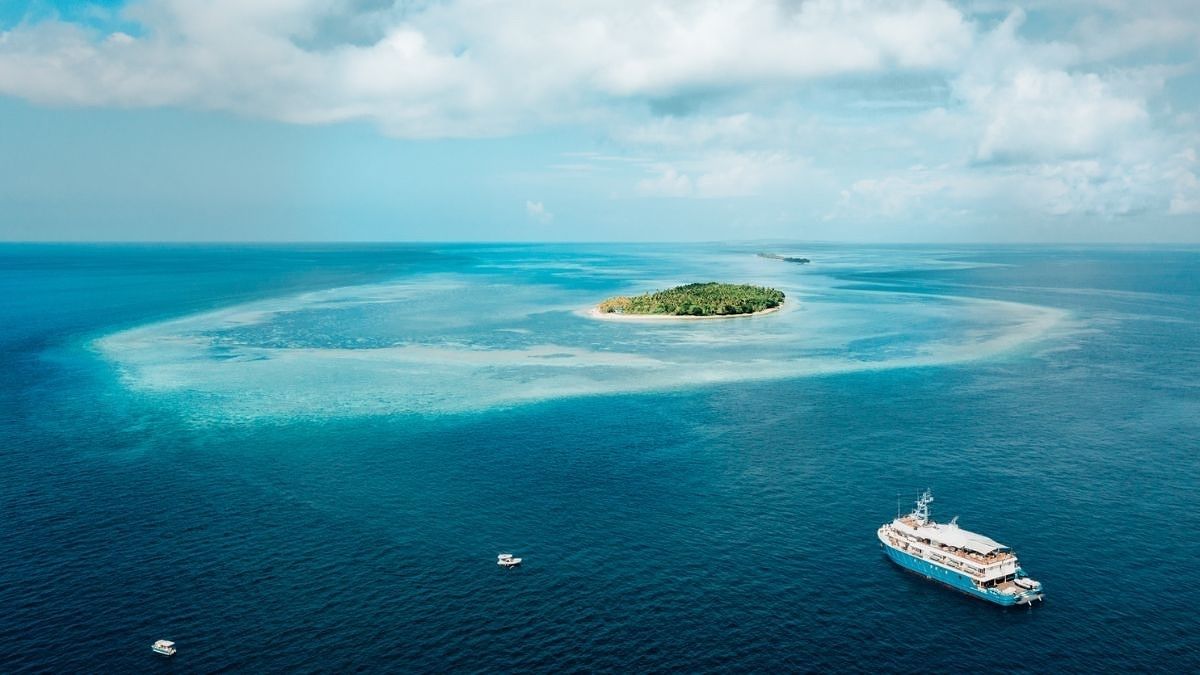
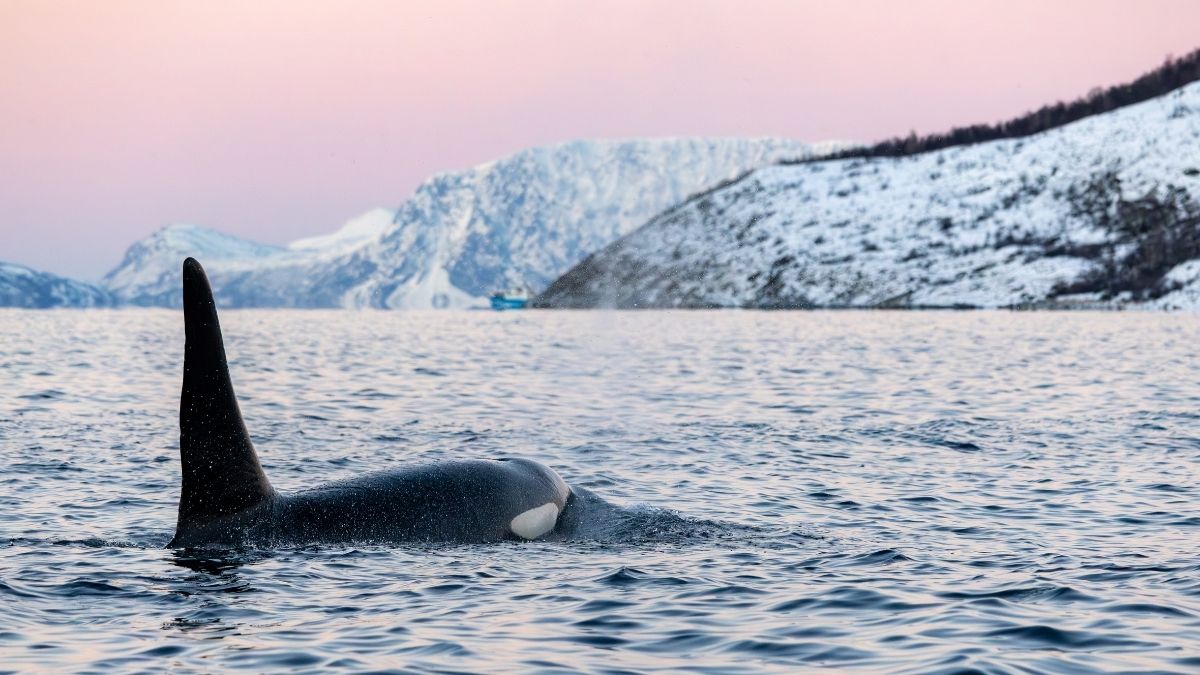
For Pelorus, this is central to yacht selection. A yacht can be the base for diving a remote reef system, following a wildlife migration, reaching an isolated coastline or linking several destinations within one trip. Helicopters, submersibles, dive equipment, specialist guides, scientists and conservation teams can all form part of the programme.
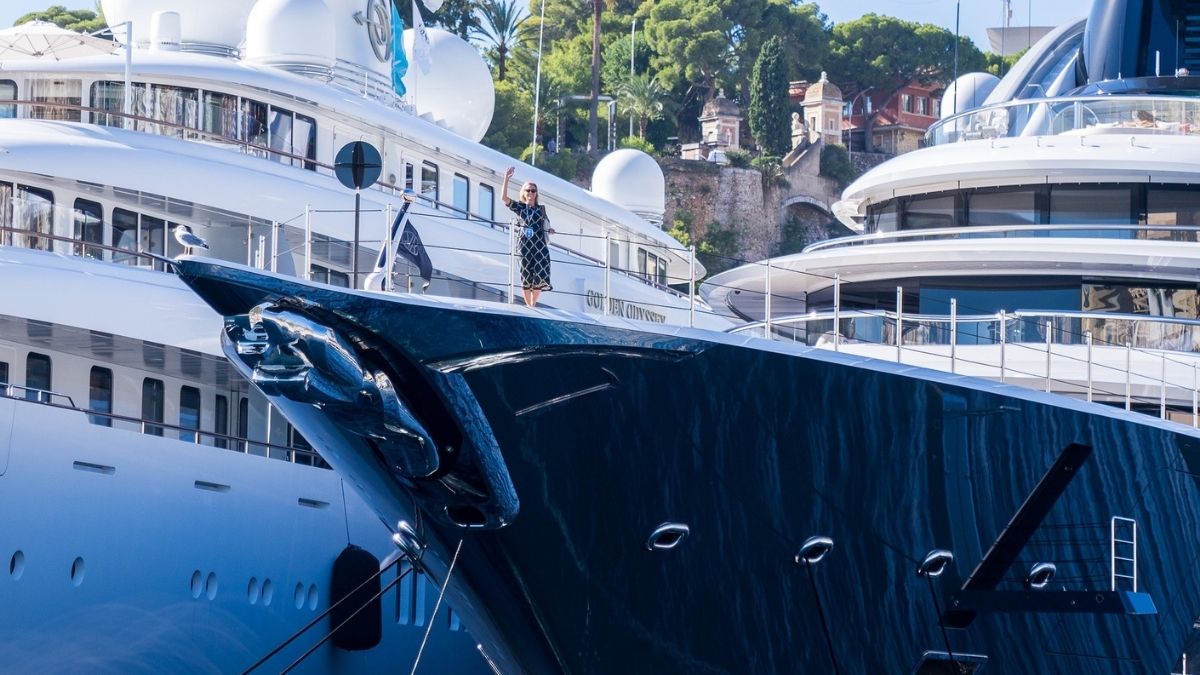
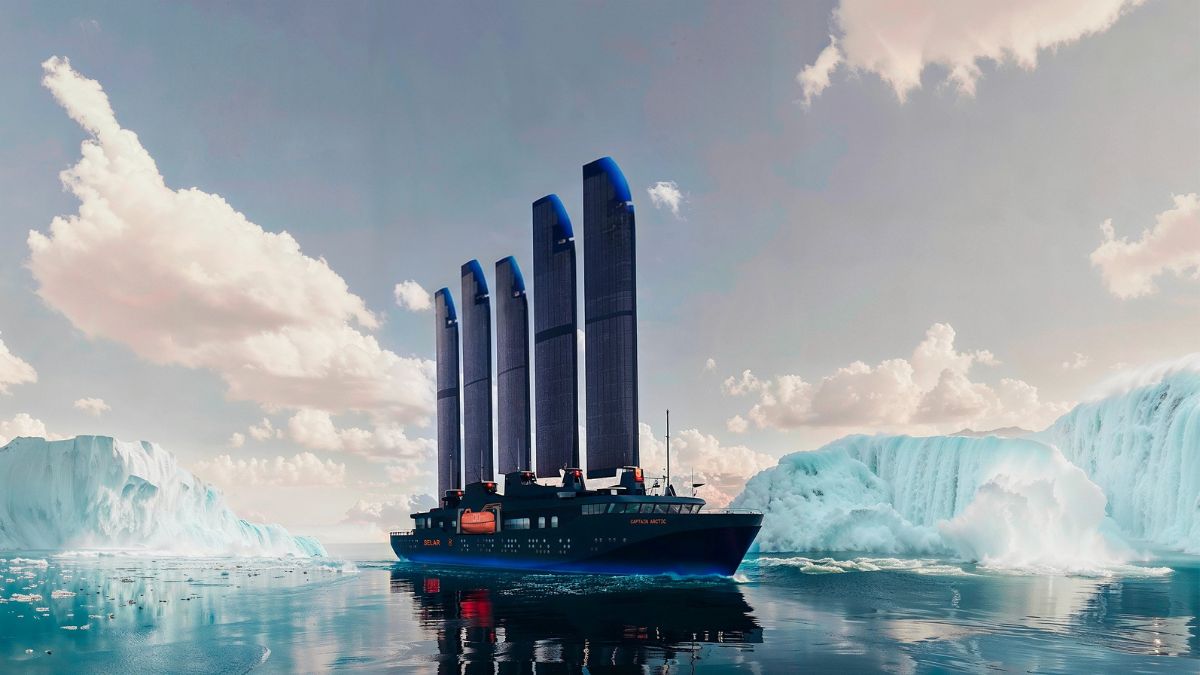
The largest yacht in Port Hercule may not be the one best suited to Greenland’s ice, Japan’s remote islands, the wildlife of the Galápagos or a conservation-led route along Costa Rica’s Pacific coast. Range, tenders and equipment matter, but so do local knowledge, permits, seasonality, logistics and the people needed to make the trip work.
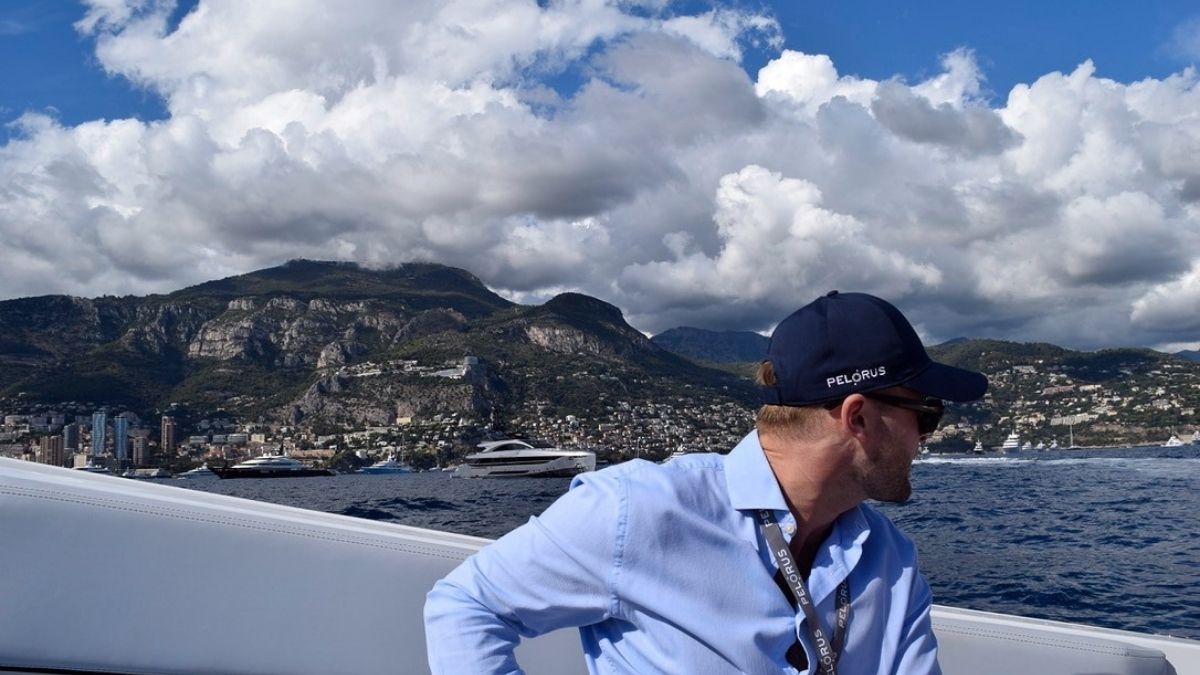
For Pelorus, it starts with what a client wants to do and then finding the yacht capable of doing it.
.jpg)
.jpg)
.jpg)
.jpg)
.jpg)
.jpg)